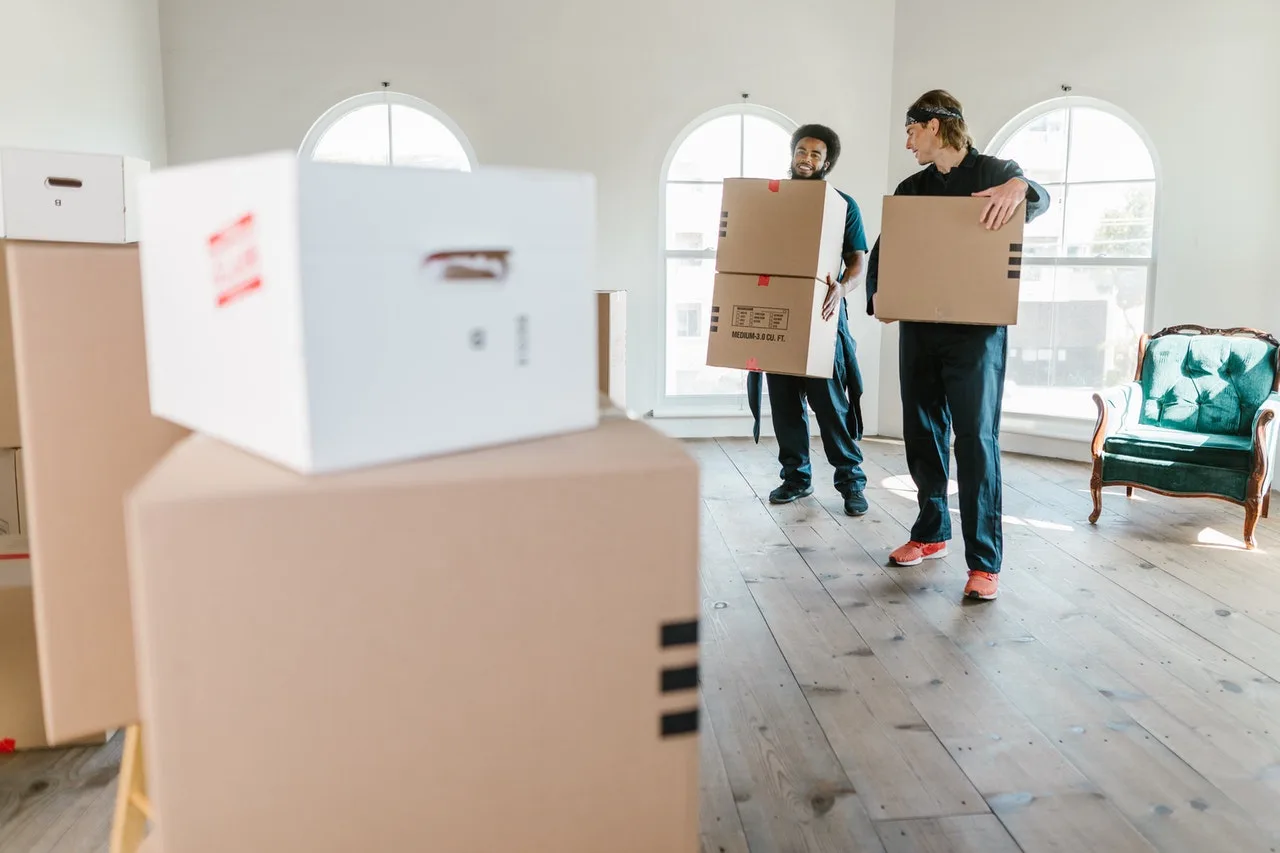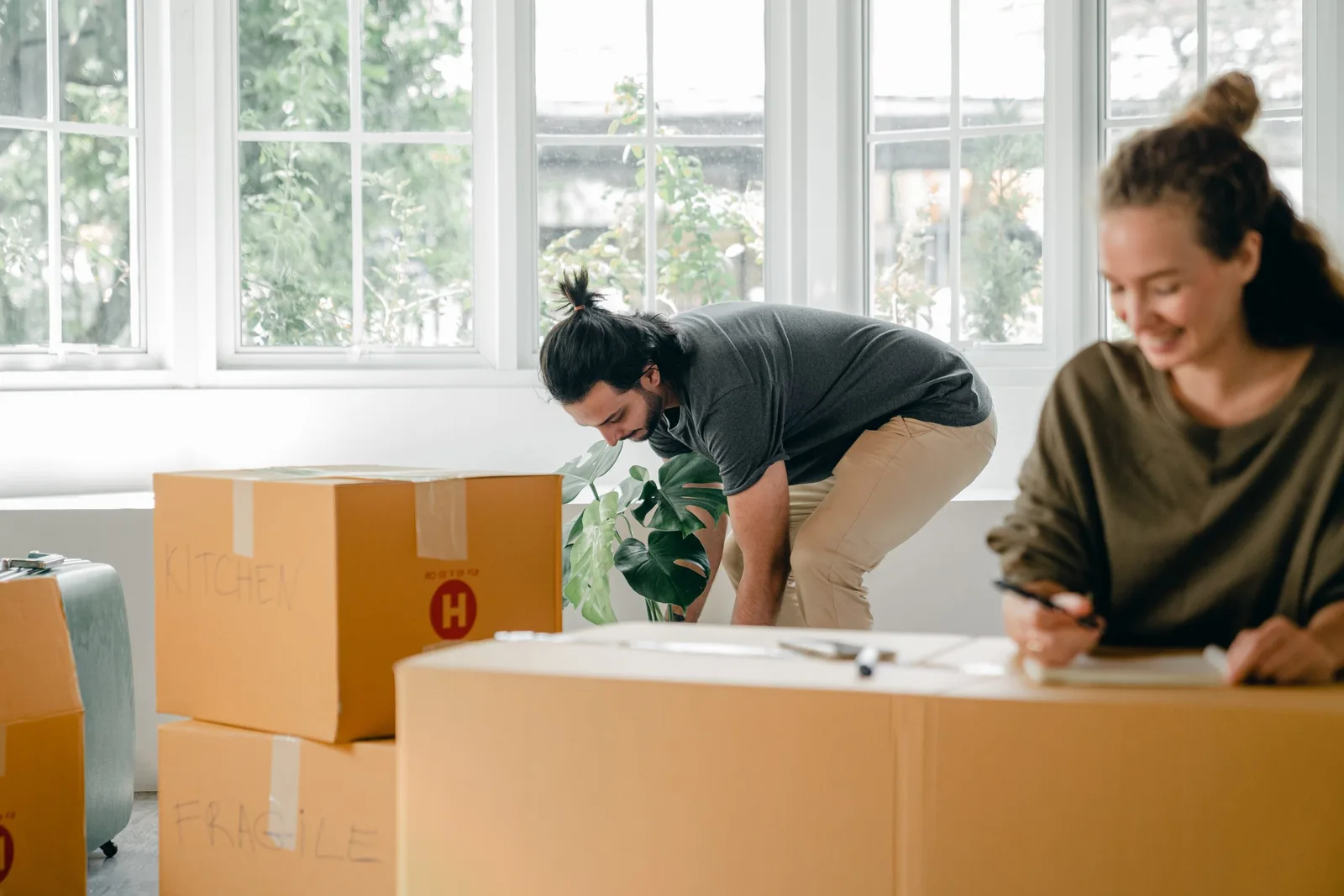
Image: Vitaly Gariev/Pexels
Planning a move involves more than packing boxes. This printable moving checklist for Canada organizes the essential tasks by timeline, from setting a budget and preparing for movers to changing your address and completing a final walkthrough.
Start at the stage that matches your moving date and check off each task as you go. The timeline covers the weeks before your move, moving day itself and the first steps after you arrive.
Download the free printable moving checklist for Canada (PDF). It is designed for standard letter-size paper and follows the same timeline as this guide.
At a glance, this checklist helps you:
- Prepare the information you need to request and compare moving quotes.
- Organize packing, address changes, building access and final-week tasks.
- Keep moving-day documents, delivery checks and move-in essentials on track.
Table of contents
- 8 or more weeks before the move
- 6 weeks before the move
- 4 weeks before the move
- 2 weeks before the move
- The final week
- 1 day before the move
- Moving day
- After the move
8 or more weeks before the move
Create a moving tracker
Keep quotes, receipts, inventories, booking details and contact information in one digital or physical folder. A simple tracker with deadlines, costs and assigned tasks can prevent details from being lost as moving day approaches.
Set your moving budget
Estimate the cost of the mover or truck, packing supplies, storage, travel, insurance or protection options, building fees and cleaning. Leave room for expenses that depend on access, distance or additional services.
Learn what can affect the cost of a moving quote.

Image: Mikhail Nilov/Pexels
Declutter and create a household inventory
Donate, sell, recycle or dispose of items you do not want to move. Then create a room-by-room inventory of what remains. An accurate inventory helps movers prepare a more useful quote and identifies belongings that need special handling.
Choose your moving date and method
Decide whether you will hire professional movers, rent a truck or use a moving container. Availability, distance, building access, the amount you own and how much lifting you can safely do should guide the decision; no single method is always the least expensive. Compare the practical requirements of moving truck rentals and moving containers before choosing a do-it-yourself option.
Prepare the details needed for moving quotes
Before requesting quotes, gather your current and destination addresses, preferred date, inventory, stairs or elevator information, parking restrictions and any oversized, fragile or high-value items. Mention packing, storage, disassembly or other services you may need.
Compare written moving quotes and book your mover
Compare what each written quote includes, possible extra fees, payment and deposit terms, cancellation conditions, delivery expectations and protection for loss or damage. Ask who will perform the move if a broker or subcontractor is involved, and review the warning signs of a moving scam before paying a deposit. The Government of Canada recommends obtaining estimates from at least three reputable movers and putting costs and terms in writing.
Compare moving quotes and book an insured mover online or read the Government of Canada’s moving advice.
If your move crosses a long distance, use our Canadian long-distance moving quote guide to review weight, distance, delivery timing and possible extra charges.
Review school and tenancy deadlines
If applicable, contact schools about registration and records. Renters should review their lease and the notice rules in their province or territory before giving written notice; there is no single notice period that applies to every Canadian tenancy.
6 weeks before the move
Gather packing supplies and start packing
Choose boxes that fit the weight and shape of what you are packing. Begin with seasonal items, decor, books and anything you will not need before the move. Label each box with its room and a short description of its contents.
Use these packing tips to get started.

Image: Ketut Subiyanto/Pexels
Decide whether you need storage
If dates do not line up or your new home has less space, compare short-term storage options. Confirm access hours, climate control where needed, security, prohibited items and what coverage applies while your belongings are stored.
Confirm the scope of your moving service
Ask who will pack fragile items, disassemble furniture, handle appliances and move specialty belongings. Confirm which items the mover cannot transport and whether owner-packed boxes affect coverage for loss or damage. If you are packing them yourself, follow the appropriate steps for fragile or specialty items.
Check access at both homes
Measure tight doorways, hallways and staircases. Ask each building about elevator reservations, loading areas, permitted moving hours, parking and any required proof of insurance. Share these details with your mover early.
Request time off and arrange help
If needed, request time away from work and arrange help for children or pets. Avoid assuming a particular weekday is best; choose a date that fits building access, mover availability and your own schedule.
4 weeks before the move
Complete your address changes
Change your address with MovingWaldo for free in multiple places, then verify which government agencies, financial institutions, insurers and service providers require a separate update.
Set up mail forwarding
Set up Canada Post mail forwarding if it suits your move. Forwarding can catch mail sent to your old address, but it does not replace updating your address with each organization.
Arrange utilities, Internet and insurance
Schedule service changes for electricity, gas, water, Internet, TV and phone where applicable. Confirm that home or tenant insurance starts at the new address and ask your insurer what protection applies to belongings in transit.
If your current provider is unavailable, compare Internet providers in your new area.
Plan for children and pets
Arrange safe care for children and pets during loading and unloading. Update pet identification and check the rules that apply in your new municipality or province. Our guide to moving with a dog can help you prepare.
Check requirements when moving to another province
Make a list of provincial documents and services that may need updating after you arrive, such as a driver’s licence, vehicle registration or health coverage. Requirements and deadlines vary, so confirm them on the destination province’s official website.
2 weeks before the move
Confirm the mover’s terms in writing
Verify the date, addresses, arrival window, expected delivery window, services, inventory, estimated price, payment method and contact information. Review additional fees, cancellation terms, claim procedures and the protection selected for your belongings.
Reserve elevators, loading areas and parking
Book elevators and loading docks at both buildings. Obtain parking permits if required and tell your mover where the truck can legally and safely stop. Consider snow removal or another access plan when weather may be a factor.
Agree on furniture and appliance preparation
Confirm whether you or the mover will disassemble and reassemble furniture. For appliances, follow the manufacturer’s instructions and ask your mover what must be disconnected, secured or prepared before pickup.
Finish packing non-essentials
Pack most remaining items, keep box weights manageable and clearly mark fragile contents. Set aside valuables, medication and important documents that will travel with you rather than in the moving truck.
Use up food and plan final cleaning
Use, donate or dispose of food the mover cannot transport. Schedule your move-out cleaning and confirm how keys will be returned to the landlord, buyer or representative.
The final week
Photograph valuable belongings
Take clear photos of valuable furniture, electronics and other items before they are handled. Keep receipts, appraisals and serial numbers with your records when available.
Back up important documents and keep originals with you
Scan important documents and place originals, medication, jewellery and other irreplaceable items in a secure bag that stays with you. Do not place them in the moving truck.
Label boxes and prepare an essentials box
Confirm every box shows its destination room and general contents. Prepare a clearly marked box with bedding, towels, toiletries, basic kitchen supplies, chargers, tools and anything needed for the first night.
Record electronic connections
Photograph cables before disconnecting televisions, computers and other electronics. Label cords and pack them with the correct device.
Reconfirm access and arrival details
Send the mover final parking, elevator and contact details. Reconfirm the arrival window, destination access and who will be present at each home.
1 day before the move
Pack a moving-day bag
Pack keys, identification, wallet, medication, documents, phones, chargers, toiletries, snacks, water and items needed by children or pets. Keep this bag with you.
Prepare the home for safe loading
Clear hallways, stairs, driveways and entrances. Protect floors as needed and keep an extra box and garbage bag available for last-minute items.
Prepare appliances according to their instructions
Follow each appliance manufacturer’s guidance for defrosting, disconnecting, securing and moving. Requirements differ by model, so avoid relying on one universal timeline for refrigerators or freezers.
Charge devices and check the weather
Charge phones and portable batteries. Review the forecast and adjust plans for rain, snow, heat or unsafe walkways.
Review the checklist and get some rest
Confirm that your documents, keys, essentials and mover contact information are easy to reach. Finish only the tasks that cannot wait until morning.

Moving day
Be ready before the movers arrive
Eat, dress for the weather and finish last-minute packing before the scheduled arrival window. Keep children and pets away from loading paths.
Review the inventory and paperwork at pickup
Identify fragile and specialty items, review the inventory and keep a copy of all signed paperwork. Ask questions before signing anything you do not understand.
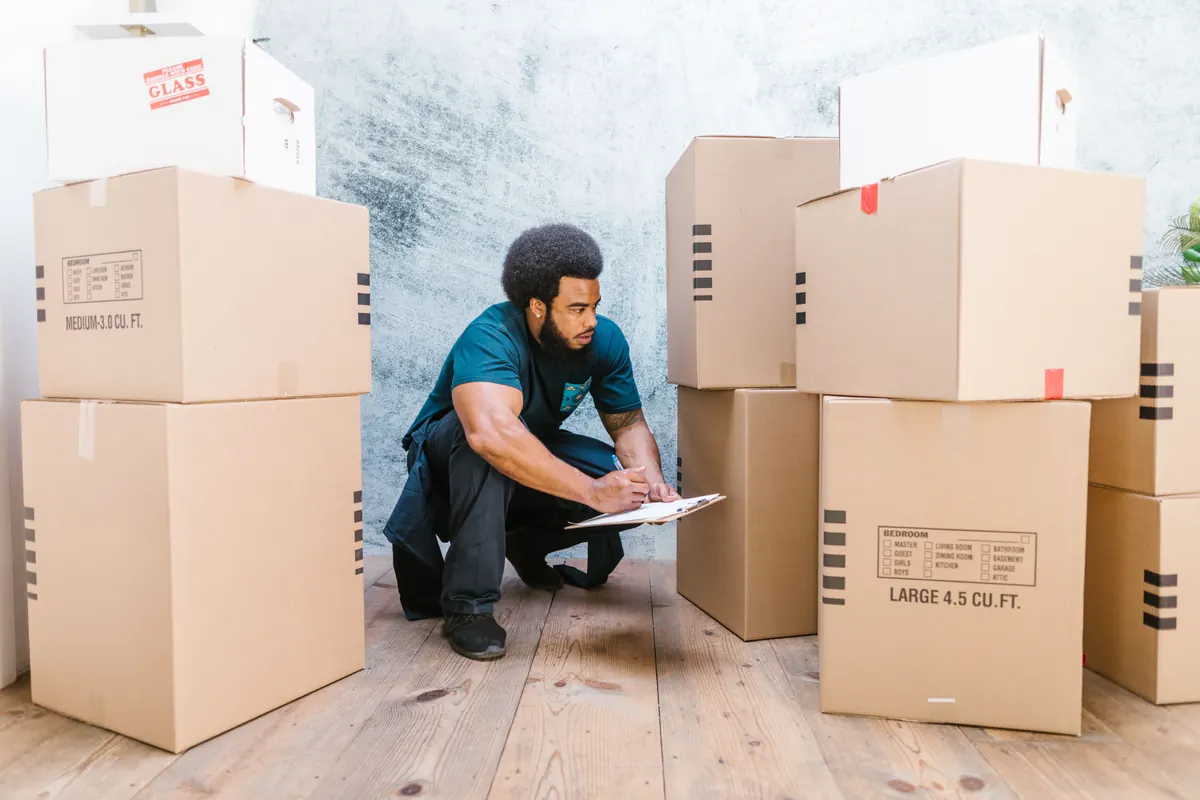
Image: RDNE Stock project/Pexels
Keep essentials and valuables with you
Carry identification, documents, medication, jewellery, electronics and your moving-day bag yourself. Keep your mover’s contact information accessible throughout the day.
Complete a final walkthrough
Check drawers, cabinets, closets, storage spaces and outdoor areas. Photograph the empty home, record meter readings if needed and return keys according to the agreed process.
Check belongings as they are delivered
Use the inventory to check off items and note missing or damaged belongings before signing for delivery where possible. Photograph concerns, inspect the moving vehicle and keep all paperwork in case you need to contact the mover or make a claim.
Decide whether to tip your movers
Tipping is optional and should reflect the service received, local norms and your budget. See our guide to when and how much to tip movers for factors to consider.
After the move
Document the condition of your new home
Photograph the home before unpacking and note existing damage or maintenance issues. If this is your first rental, our first apartment moving checklist covers additional move-in essentials.
Test essential services and safety equipment
Confirm that electricity, water, heating or cooling and Internet work as expected. Locate shut-off valves and test smoke and carbon monoxide alarms according to the manufacturer’s instructions.
Inspect belongings and report problems promptly
Check furniture, boxes and specialty items as you unpack. Follow the mover’s written claim process and deadlines if anything is missing or damaged, and keep photos, inventories and receipts.
Unpack essentials first
Start with bedding, toiletries, medication, basic kitchen supplies and clothing. Then unpack one room at a time using our step-by-step unpacking guide.
Finish address and provincial updates
Confirm your address with organizations that could not be updated before the move. If you changed provinces, complete the destination province’s official requirements for documents, vehicles and health coverage within its stated deadlines.
Secure the home and help everyone settle in
Homeowners can consider rekeying exterior locks; renters should obtain permission before changing locks. Set up a safe routine for children and pets, then take time to learn about essential services in the neighbourhood.